
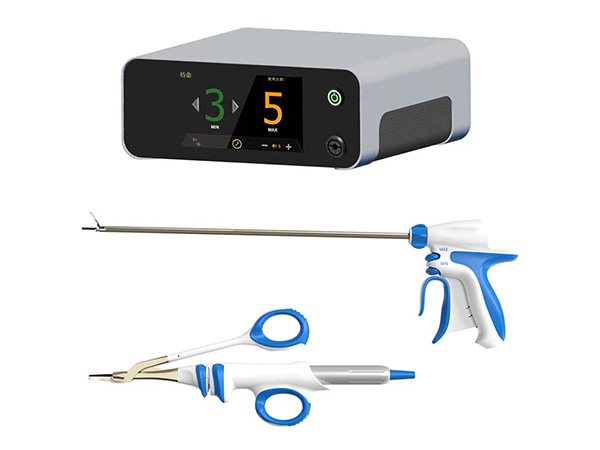
Endoscopy: The Eyes Behind Modern Minimally Invasive Care
Introduction:
Endoscopy stands as one of the most transformative innovations in modern medicine, providing clinicians with direct visualization of internal anatomy while enabling minimally invasive diagnostic and therapeutic interventions. From its origins as simple rigid tubes to today's sophisticated digital platforms integrating artificial intelligence, 4K imaging, and robotic navigation, endoscopic technology continues to redefine the boundaries of patient care. This article explores the fundamental principles, clinical applications, and latest global trends shaping the future of endoscopy in 2026 and beyond.
Fundamental Principles of Endoscopic Imaging
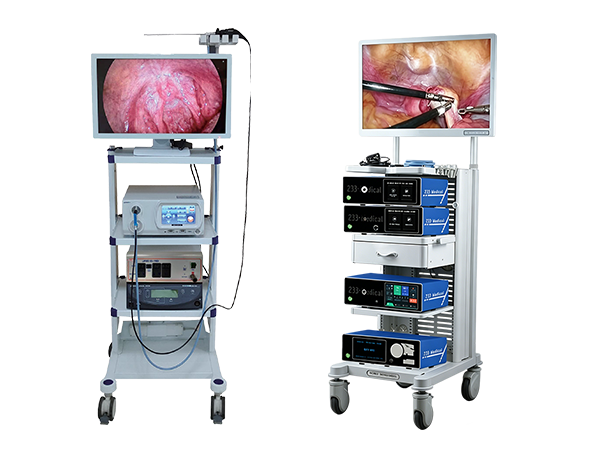
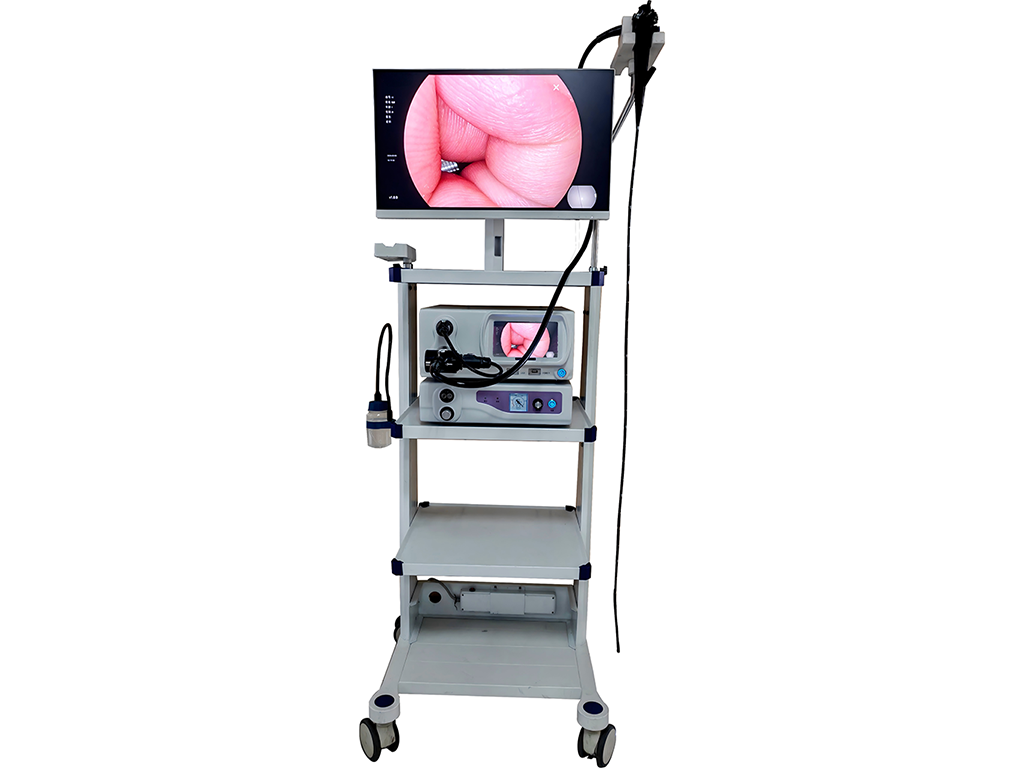
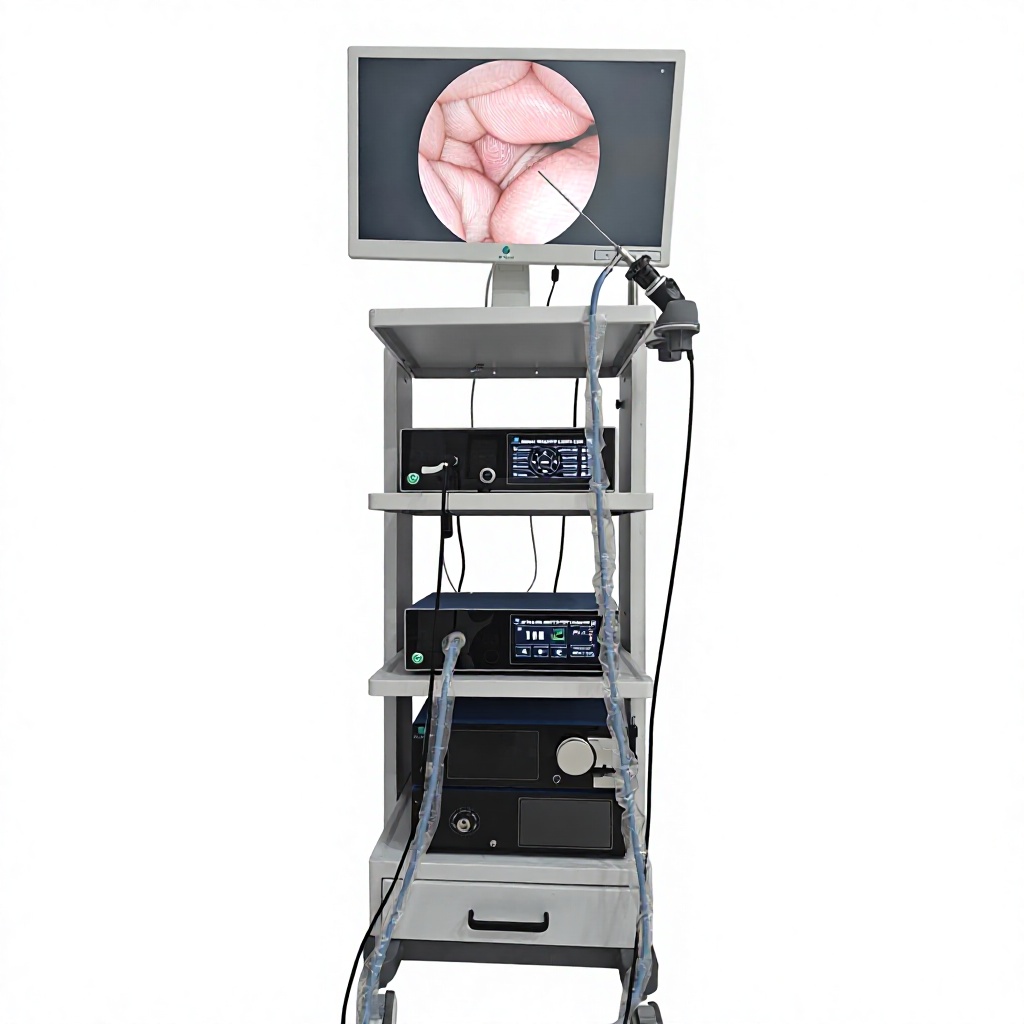
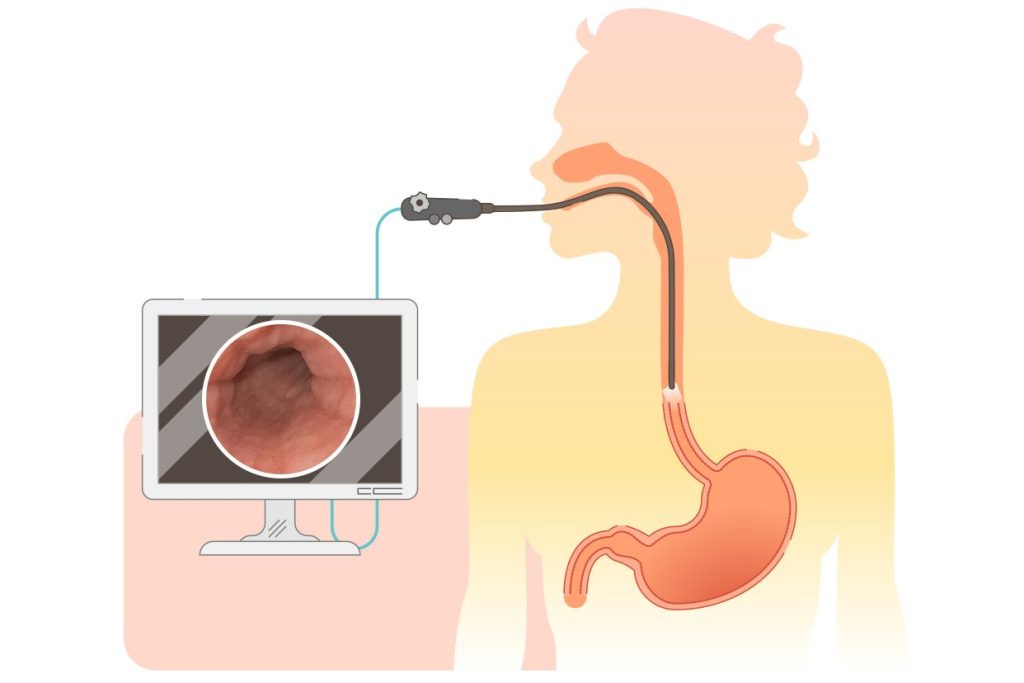
At its core, an endoscope functions as a sophisticated optical conduit between internal anatomy and the clinician's vision. Modern video endoscopy systems rely on the seamless integration of illumination, image capture, and digital signal processing. Light is delivered through fiber-optic bundles or LED sources to the distal tip, while miniature high-sensitivity CMOS sensors convert reflected light into high-fidelity video signals in real time.
The working channel represents a critical functional element, accommodating biopsy forceps, snares, retrieval devices, hemostatic clips, and therapeutic accessories. Proper coordination of insufflation and irrigation maintains optimal mucosal visualization, while multi-directional articulation controls enable precise navigation through anatomically complex pathways. Mastery of these operational fundamentals forms the essential foundation for safe and effective endoscopic practice across all specialties.
Main Classifications and Clinical Applications
Endoscopes are broadly categorized into flexible and rigid systems, each serving distinct clinical domains. Flexible endoscopes—including gastroscopes, colonoscopes, bronchoscopes, duodenoscopes, and ureteroscopes—navigate the body's natural luminal pathways, enabling screening, biopsy, and therapeutic intervention across gastrointestinal, respiratory, and urological specialties. Rigid endoscopes—such as laparoscopes, arthroscopes, cystoscopes, and sinus scopes—provide mechanical stability and direct access for surgical procedures in confined anatomical cavities.
Beyond traditional platforms, capsule endoscopes offer swallowable, wireless imaging solutions for small-bowel evaluation, while single-use disposable endoscopes address critical infection control challenges in high-risk environments. Each classification is engineered to meet specific procedural demands, balancing image quality, maneuverability, channel capacity, and reprocessing requirements to optimize clinical outcomes.
2026 Global Endoscopy Technology Trends
The global endoscopy landscape in 2026 is defined by four converging technological frontiers. First, artificial intelligence has transitioned from experimental adjunct to clinical standard, with computer-aided detection (CADe) systems demonstrating measurable improvements in adenoma detection rates during colonoscopy and expanding into upper gastrointestinal and bronchoscopic applications. AI-driven quality metrics now provide real-time procedural feedback, standardizing diagnostic performance across operators.
Second, single-use endoscopy has gained substantial traction, particularly in pulmonology, interventional urology, and ERCP procedures, where the risk of cross-contamination from complex reprocessing cycles poses significant clinical and liability concerns. Third, the convergence of 4K ultra-high-definition imaging, three-dimensional stereoscopic visualization, and indocyanine green (ICG) fluorescence has established a new benchmark for surgical precision, enabling real-time perfusion assessment, sentinel lymph node mapping, and oncological margin delineation. Finally, robotic-assisted endoscopic platforms and magnetically navigated capsule systems are extending the reach of minimally invasive care into previously inaccessible anatomical territories.
Procurement and Evaluation Criteria
For healthcare institutions and distributors evaluating endoscopic systems, a comprehensive assessment framework should encompass image fidelity—including 4K resolution, color accuracy, and special light imaging modalities such as NBI, BLI, or LCI; ergonomic design—evaluating tip deflection range, insertion tube flexibility, and control body comfort; channel versatility—ensuring compatibility with a broad ecosystem of therapeutic accessories; and infection control strategy—balancing validated reprocessing protocols against single-use alternatives.
Additional procurement considerations include digital integration capabilities such as AI interfaces, cloud-based documentation, and DICOM/PACS compatibility; regulatory readiness across target markets including FDA clearance, CE/MDR certification, and regional approvals; and the robustness of the service model, encompassing technical training, warranty coverage, spare parts availability, and local support responsiveness. A well-informed procurement decision aligns clinical requirements with long-term operational sustainability.
Conclusion:
Endoscopy has evolved from a purely observational tool into a comprehensive platform for diagnosis, intervention, and image-guided therapy. As artificial intelligence, single-use technologies, advanced imaging modalities, and robotic systems continue to converge, the potential to enhance diagnostic accuracy, improve patient safety, and expand access to minimally invasive care has never been greater. For healthcare providers and procurement professionals, staying abreast of these technological trends is not merely advantageous—it is essential to delivering world-class clinical outcomes in the rapidly advancing landscape of modern medicine.