
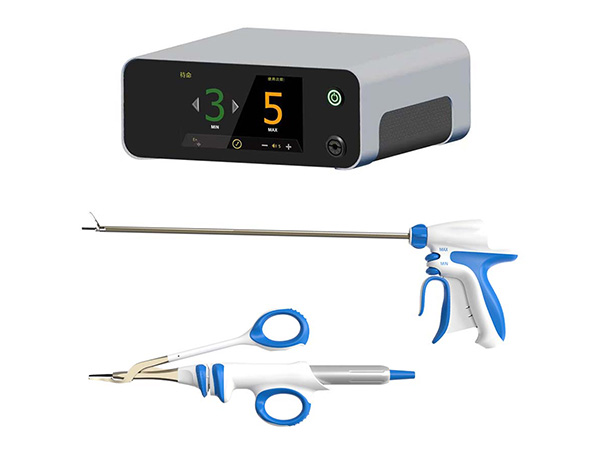
Choosing the Right Surgical Energy Device: Bipolar Vessel Sealing vs. Ultrasonic Scalpel
In modern surgery, efficient and safe hemostasis is crucial. Two advanced energy devices—vessel sealing system and the ultrasonic scalpel—are widely used to control bleeding and cut tissue during operations. While both are essential tools in the surgeon’s arsenal, they work differently and are suited to distinct clinical scenarios.
Here’s a practical comparison to help you understand their strengths and ideal applications.
1. How They Work
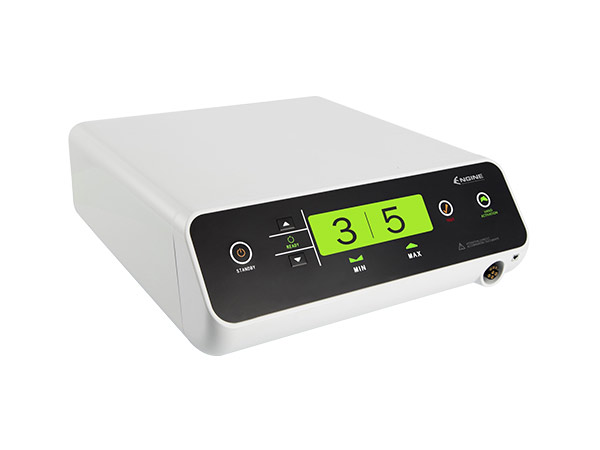
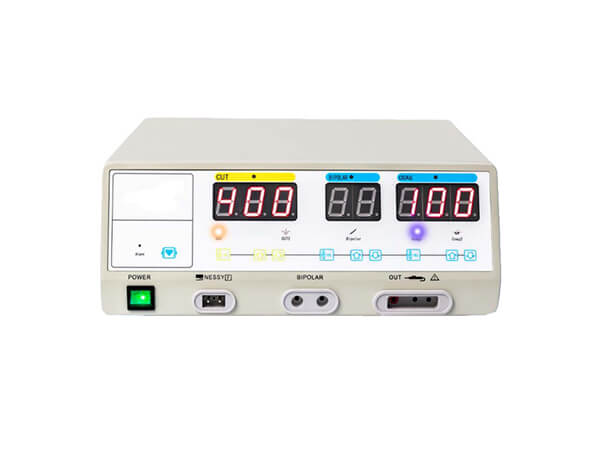
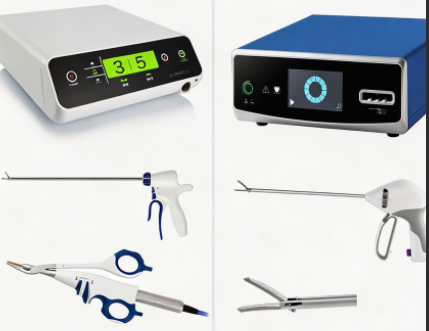
Bipolar Vessel Sealing uses high-frequency electrical energy to fuse the collagen and elastin within blood vessel walls, creating a permanent seal. It is particularly effective for sealing vessels up to 7 mm in diameter, often eliminating the need for additional sutures. This makes it a reliable choice for procedures involving thicker vascular bundles, such as in gastrointestinal or colorectal surgery.
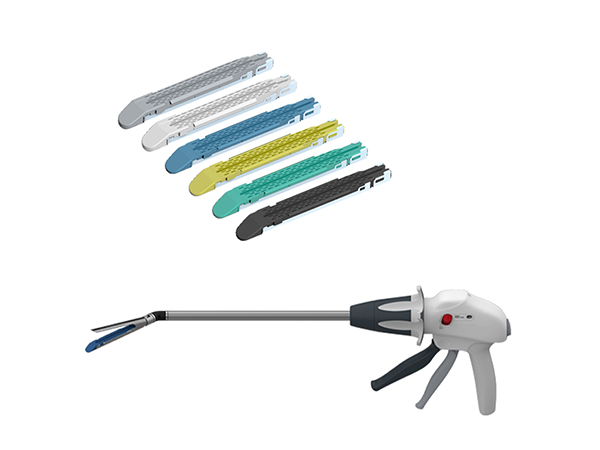
Ultrasonic Scalpel relies on high-frequency mechanical vibrations (typically at 55.5 kHz) to generate heat while simultaneously cutting and coagulating tissue. It seals small blood vessels (up to about 3 mm) with minimal lateral thermal spread—around 1 mm. This precision is ideal for delicate dissections near nerves, lymphatics, or sensitive structures, commonly needed in thyroid, gynecological, or laparoscopic surgeries.
2. Best Uses & Surgical Applications
For Vessel Sealing:
- Bipolar Vessel Sealing offers strong, reliable closure of larger vessels, reducing intraoperative bleeding risks.
- The ultrasonic scalpel provides excellent hemostasis for smaller vessels but may require multiple applications for thicker ones.
For Tissue Dissection:
- The ultrasonic scalpel allows simultaneous cutting and coagulation, making it perfect for precise organ dissection (e.g., liver, spleen).
- Bipolar Vessel Sealing focuses mainly on vessel sealing; for cutting, it is often paired with other instruments.
Common Surgical Fields:
- Bipolar Vessel Sealing is frequently used in general surgery, thoracic surgery, and other open procedures where larger vessels are encountered.
- Ultrasonic devices excel in minimally invasive and laparoscopic surgeries, or any operation requiring fine dissection with minimal tissue trauma.
3. Thermal Injury & Recovery
Extent of Heat Spread:
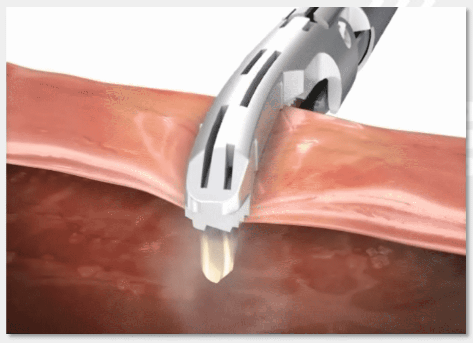
- Bipolar Vessel Sealing, being electrosurgery-based, has a broader thermal spread (about 2–3 mm), which can cause mild charring in adjacent tissues.
- The ultrasonic scalpel confines heat to the immediate contact area, thereby better preserving surrounding tissue integrity.
Postoperative Outcomes:
- Thanks to its limited thermal effect, the ultrasonic scalpel is associated with less postoperative inflammation and lower risk of adhesions.
- Bipolar Vessel Sealing can occasionally cause localized tissue carbonization due to higher temperatures, but it provides a very secure seal, reducing the chance of postoperative bleeding.
4. Cost & Ease of Use
Cost Considerations:
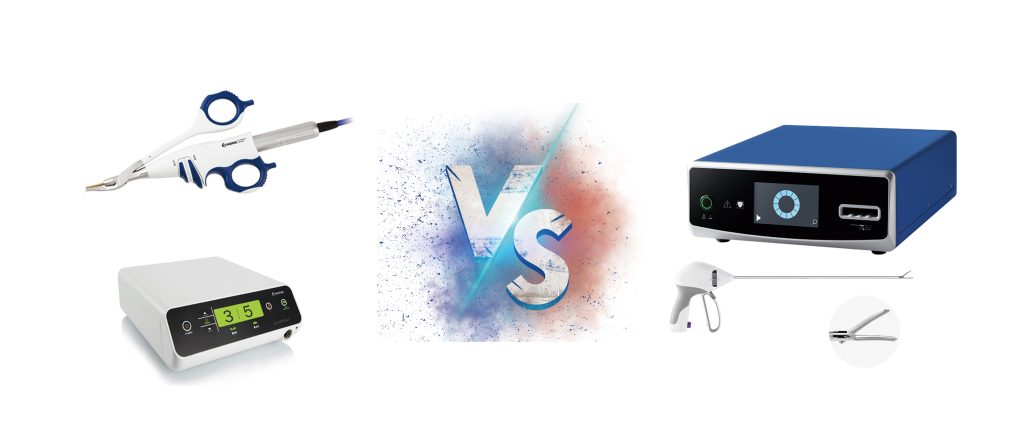
- Ultrasonic scalpels often have higher per-use costs due to their disposable blades, though some blades can be reused in certain settings.
- Vessel Sealing System requires specific sealing instruments for different procedures, with moderate overall costs.
Learning Curve:
- Vessel Sealing System is relatively straightforward—press, seal, and release.
- Mastering the ultrasonic scalpel requires more skill to manage cutting speed, pressure, and angle, especially during fine dissection.
5. Conclusion: Which One to Choose?
Your choice between Vessel Sealing System and an ultrasonic scalpel should align with the surgical task at hand:
- Opt for Vessel Sealing System when dealing with thicker blood vessels and prioritizing strong, fast sealing.
- Choose an ultrasonic scalpel when performing delicate dissections, working near critical structures, or aiming to minimize thermal damage.
In practice, many surgical teams keep both systems available, using them in a complementary way to maximize precision, safety, and efficiency in the operating room.
Interested in integrating these advanced energy devices into your surgical practice? Contact us to learn more about their applications and how they can enhance operational outcomes.