
How Advanced Bipolar Vessel Sealing Works in the OR
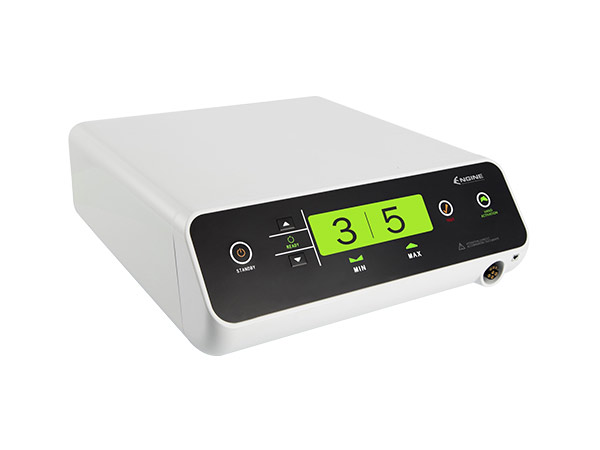
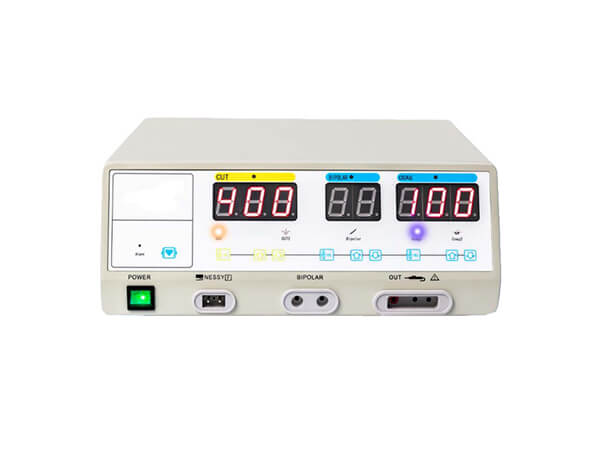
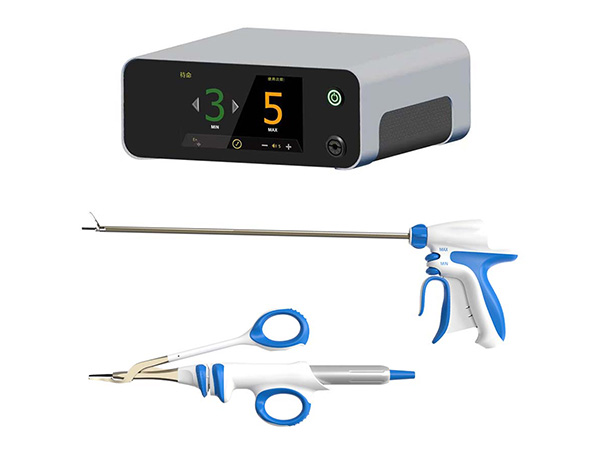
At its core, Vessel Sealing System technology is an intelligent, impedance-based system. Unlike standard electrocautery, it doesn't merely coagulate tissue; it fuses the collagen and elastin within the vessel walls to create a permanent, translucent seal. The generator delivers a precise, pulsed bipolar energy current. Built-in sensors continuously monitor tissue impedance between the jaws of the Vessel Sealing System scalpel. Once the system algorithm detects that the seal is complete (typically indicated by an audible tone), it automatically ceases energy delivery. This intelligent feedback loop is key to its clinical efficacy, ensuring a consistent seal while minimizing collateral damage.
Clinical Applications: Where Vessel Sealing System Excels
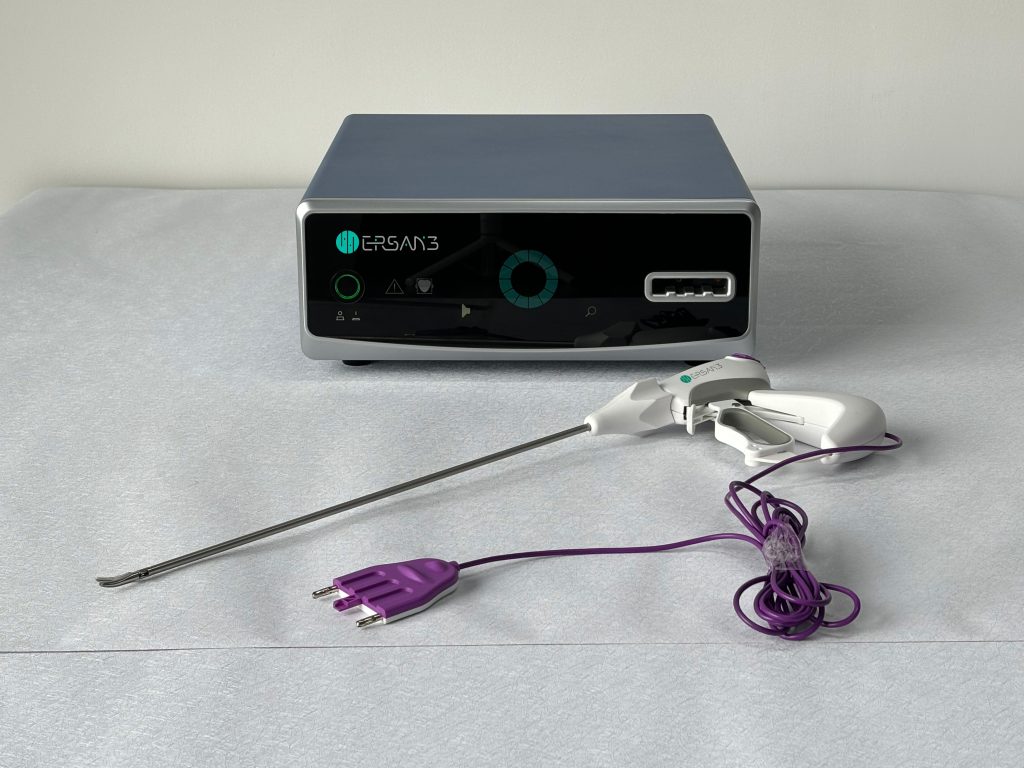
The versatility of Vessel Sealing System devices has led to their widespread adoption across numerous surgical disciplines. Its ability to reliably seal vessels up to 7mm in diameter makes it suitable for a vast array of procedures.
General & Gastrointestinal Surgery
In procedures like gastrectomy, colectomy, splenectomy, and hemorrhoidectomy, Vessel Sealing System facilitates rapid dissection and hemostasis in vascular-rich tissue planes. Its ability to seal and cut simultaneously streamlines operations like thyroidectomies and axillary lymph node dissections, reducing instrument exchange and operative time.
Gynecological Surgery
Vessel Sealing System is extensively used in hysterectomies, oophorectomies, and myomectomies. It effectively seals the uterine and ovarian vessels, leading to reduced intraoperative blood loss. The minimal thermal spread (often ≤2mm) is crucial in preserving surrounding delicate structures like the ureter.
Urological Surgery
During prostatectomies, nephrectomies, and cystectomies, Vessel Sealing System provides precise hemostasis in the highly vascular pelvic and retroperitoneal fields. The consistent seal strength, capable of withstanding pressures several times systolic blood pressure, is vital for patient safety.
Hepatobiliary & Pancreatic Surgery
These procedures often involve dissecting through fragile, vascular organs. Vessel Sealing System allows for controlled parenchymal transection and secure sealing of biliary and vascular structures, contributing to safer liver resections and pancreaticoduodenectomies.
Veterinary Surgery
The principles translate seamlessly. Vessel Sealing System is employed in soft tissue surgeries, oncologic procedures, and common operations like spays and neuters in companion animals, offering veterinarians the same benefits of speed and reduced bleeding.
Practical Advantages Observed in Clinical Settings
Surgeons and operating room staff report tangible benefits from integrating Vessel Sealing System into their practice:
- Reduced Operative Time: The combination of sealing and cutting in one instrument, with closure cycles typically between 2-4 seconds, significantly accelerates surgical dissection and hemostasis phases.
- Enhanced Hemostasis & Safety: The permanent, polymerized seal dramatically lowers the risk of post-operative bleeding and related complications. This is especially beneficial for patients with coagulation disorders or hypertension.
- Improved Surgical Field Visualization: By virtually eliminating smoke and charring during use, Vessel Sealing System maintains a clearer operative field compared to traditional electrocautery, enhancing precision.
- Minimized Thermal Injury: The controlled, adaptive energy delivery limits lateral thermal spread, helping to preserve vital adjacent nerves and tissues, which can lead to better functional outcomes and reduced post-operative pain.
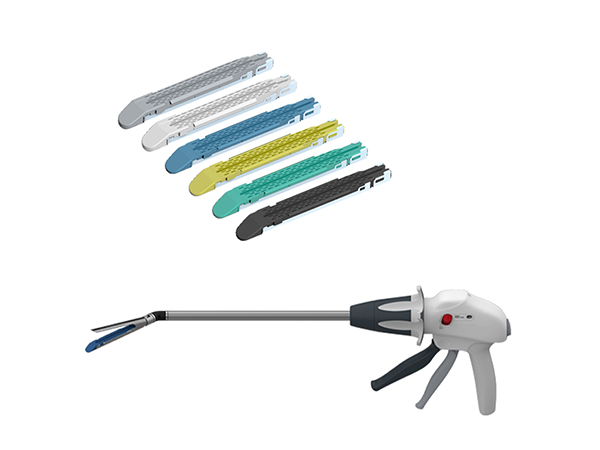
- Operational Efficiency: The availability of various scalpel designs—such as the 5mm Maryland Jaw, 5mm Blunt Tip Laparoscopic, and 13mm Open Tissue Sealers—allows surgeons to select the optimal tool for laparoscopic or open approaches across different anatomies.
Addressing Common Clinical Queries
Scalpel Reusability & Sterilization
While designed as single-use devices for optimal performance and safety, in practice, Vessel Sealing System scalpels can often be safely reprocessed several times (e.g., 6-10 uses) depending on surgical conditions, tissue type, and proper low-temperature sterilization protocols (e.g., plasma sterilization or glutaraldehyde soaking).
Compatibility & Performance
A critical factor for hospitals is device interoperability. High-quality Vessel Sealing System systems are engineered for broad compatibility. For instance, generators from leading manufacturers can often be paired with a wide range of scalpel models, and vice-versa, protecting existing capital investments. The key is consistent output power (e.g., 250W-300W) and intelligent tissue feedback to match the gold-standard clinical effect.
Learning Curve & Ease of Use
Feedback indicates a short learning curve. The intuitive, one-button operation on the scalpel handle and the system's automatic feedback make it accessible even for teams new to the technology, quickly becoming an integral part of their standard workflow.
Conclusion: Choosing a Partner for Clinical Success
The real-world clinical application of Vessel Sealing System consistently demonstrates its value as a transformative tool that enhances patient care and surgical workflow. When selecting a Vessel Sealing System system, the decision extends beyond the device itself to the partnership with the manufacturer.
233 Medical: Your Proven Partner in Advanced Surgical Technology
233 Medical stands as a proven partner in this space. With over 16 years of specialization, we are not just a supplier but a dedicated manufacturer of high-performance Vessel Sealing System technology. Our systems are engineered to deliver the clinical outcomes surgeons trust: Covidien-compatible performance, a complete range of scalpel models for any procedure, and robust reliability—all at a value-driven price point that makes advanced surgical care more accessible. Our products, exported to over 100 countries, are backed by comprehensive support and a 1-year warranty.
Experience the difference that a clinically-proven, intelligently designed Vessel Sealing System system can make in your operating room. Contact 233 Medical today to discuss how our solutions can meet the specific needs of your surgical practice.