
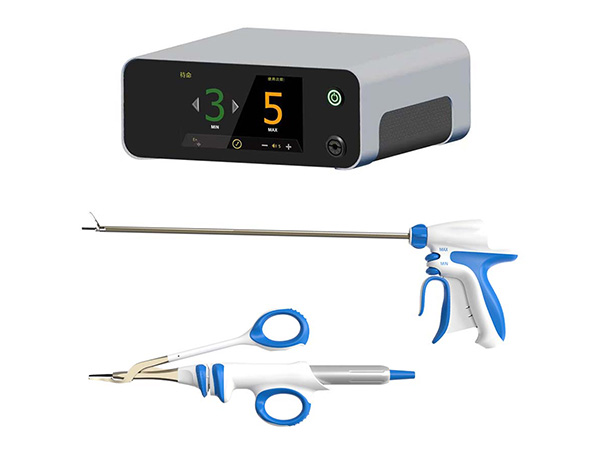
The Clinical Power and Evolving Technology of Modern Endoscopy
In contemporary medical practice, achieving a clear internal view is fundamental to accurate diagnosis and effective treatment. Endoscopy represents one of healthcare's most significant advances, transforming how physicians bridge the gap between patient symptoms and internal visualization. Today's endoscope is far more than a diagnostic instrument; it is a critical conduit for minimally invasive therapy and precision intervention.
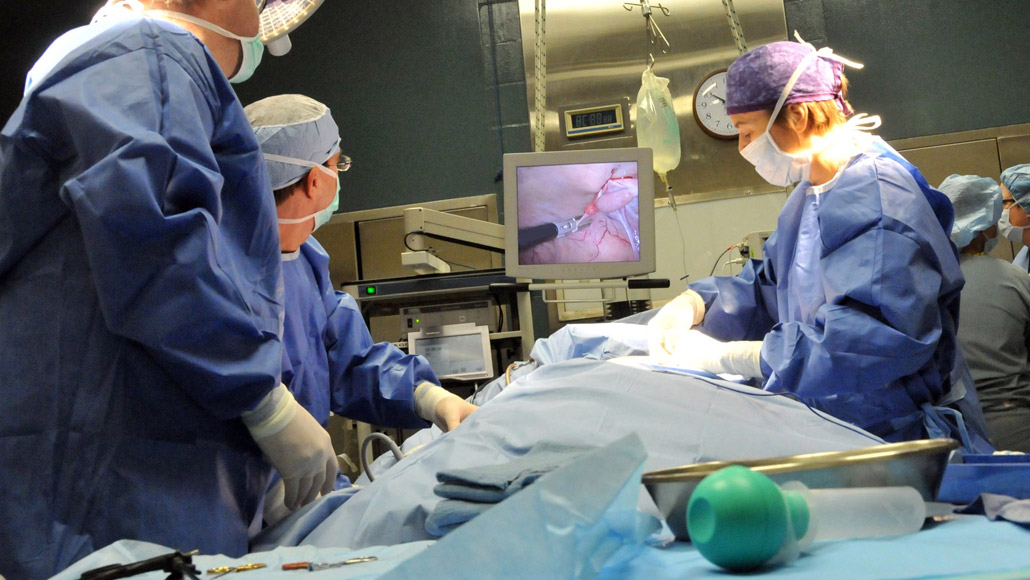
Understanding the Endoscope: A Guide to Internal Visualization
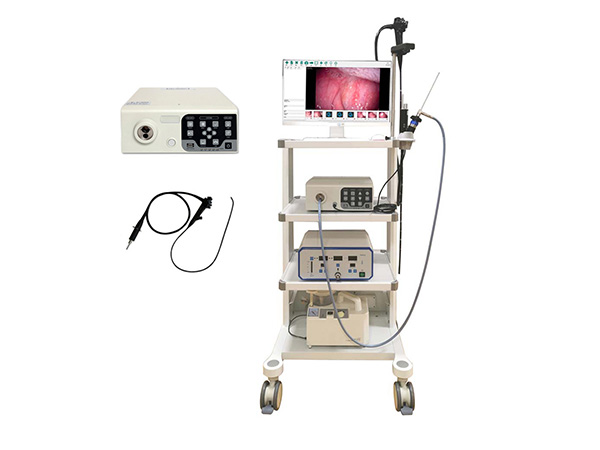
An endoscope is an advanced medical device featuring a slender, flexible or rigid tube integrated with a light source and a high-resolution camera system. It is designed to be introduced through the body’s natural openings or minor surgical incisions, enabling physicians to conduct real-time, direct observation of internal organs and structures. This approach fundamentally avoids the need for large, open surgical procedures.
Core Components of a High-Performance System
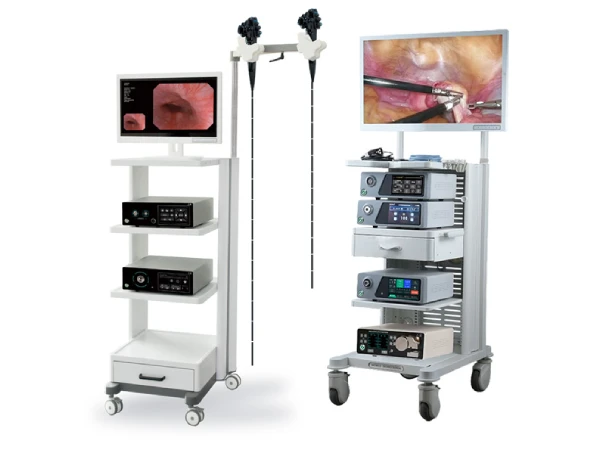
Modern endoscopy systems blend optical precision with digital engineering, typically consisting of several key elements:
- Control Handle: Engineered for ergonomic comfort and precise tactile control during navigation.
- Insertion Tube: Designed with optimal flexibility and column strength to navigate anatomy safely while ensuring patient comfort.
- Distal Tip: Houses the core imaging technology, including a high-definition (HD) or 4K image sensor and advanced illumination from LED or fiber-optic sources.
- Working Channel: Provides a dedicated conduit for the passage of specialized micro-instruments to perform biopsies or therapeutic procedures directly at the site.
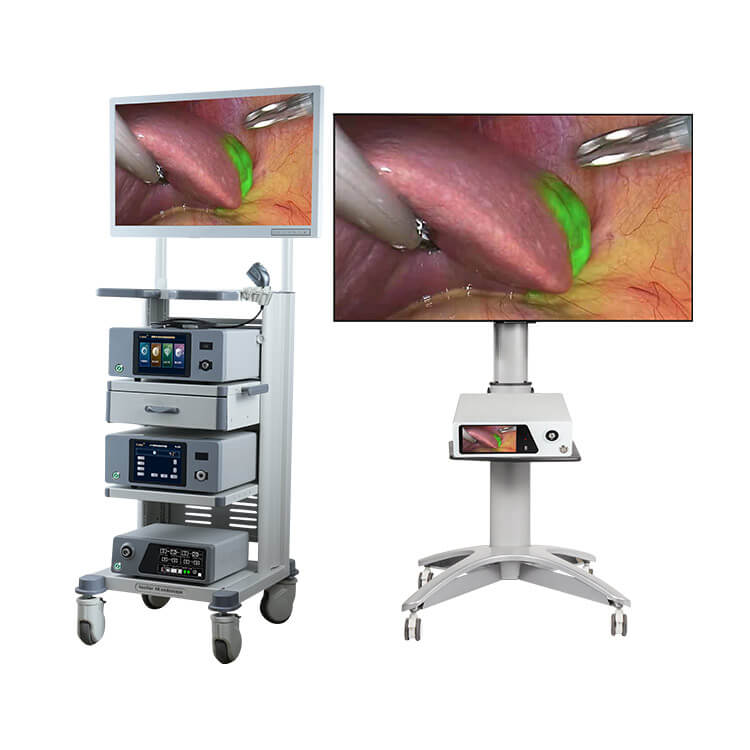
Dual-Purpose Utility: From Accurate Diagnosis to Direct Treatment
The profound impact of endoscopy lies in its dual capability—it facilitates both detailed examination and immediate intervention.
1. Enhanced Diagnostic Accuracy
Endoscopy offers an unparalleled, direct view of mucosal surfaces. This allows for the identification and assessment of conditions such as gastritis, ulcers, and early-stage neoplasms. The implementation of High-Definition and image enhancement technologies enables clinicians to detect subtle mucosal changes that were previously difficult to visualize.
2. Advanced Therapeutic Applications
Moving beyond visualization, the endoscope serves as a platform for minimally invasive surgery. Through its working channel, clinicians can perform a range of targeted procedures, including:
- Polypectomy: The resection of precancerous polyps.
- Hemostasis: Controlling gastrointestinal bleeding using techniques like mechanical clipping or thermal coagulation.
- Stent Placement: Relieving obstructions within the digestive or biliary tracts to restore normal flow.
The Tangible Benefits of a Minimally Invasive Pathway
The transition from traditional open surgery to endoscopic techniques has markedly improved patient outcomes. Key clinical advantages include:
- Reduced Tissue Trauma: Preserves healthy tissue, leading to less postoperative pain.
- Faster Recovery Times: Patients typically experience shorter hospital stays and a more rapid return to daily activities.
- Lower Complication Risk: Associated with decreased rates of surgical site infections and other major postoperative complications.
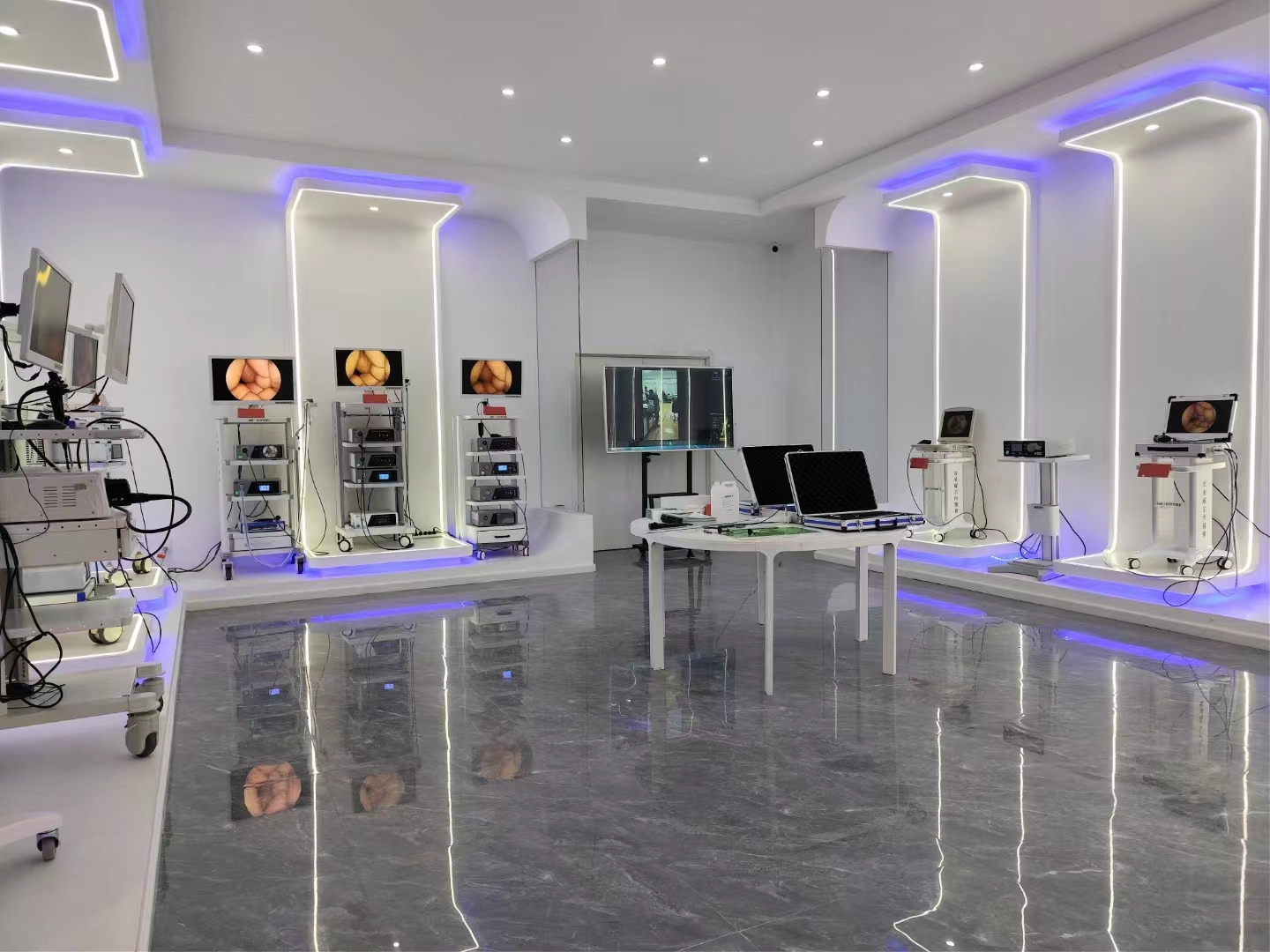
The Evolving Frontier: Integration of Intelligence with Imaging
Endoscopy continues to advance through digital innovation. The field is progressing toward ultra-high-definition 4K imaging, which offers exceptional detail, and leveraging advanced light filters to enhance tissue contrast and vascular pattern recognition.
Perhaps most transformative is the emerging integration of Artificial Intelligence (AI). AI-assisted systems are being developed to support real-time image analysis, aiding in lesion detection and characterization, thereby adding a layer of decision-support for the physician.
Conclusion: Enabling Clinical Confidence Through Visualization
At the confluence of medical science and precision engineering, the endoscope remains an essential tool in modern diagnostics and therapeutics. Our mission is to support healthcare providers by delivering imaging solutions that offer the reliability, clarity, and control necessary for exceptional patient care. In endoscopy, precision is not merely an attribute—it is the foundational standard.