
Bipolar Vessel Sealing vs. Ultrasonic Dissection: Technical Considerations for the OR
In the realm of surgery, selecting the right instrument is crucial for achieving optimal results. The ultrasonic scalpel and vessel sealing system are two distinct tools, each with unique mechanisms and benefits. Understanding their differences and appropriate applications can guide surgeons in making informed choices.
Ultrasonic Scalpel: Precision with Controlled Energy
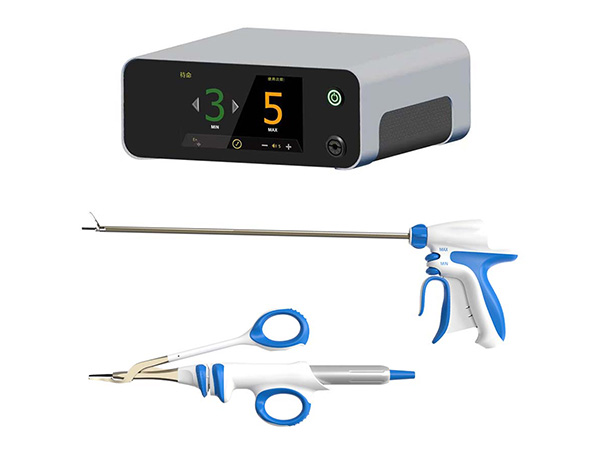
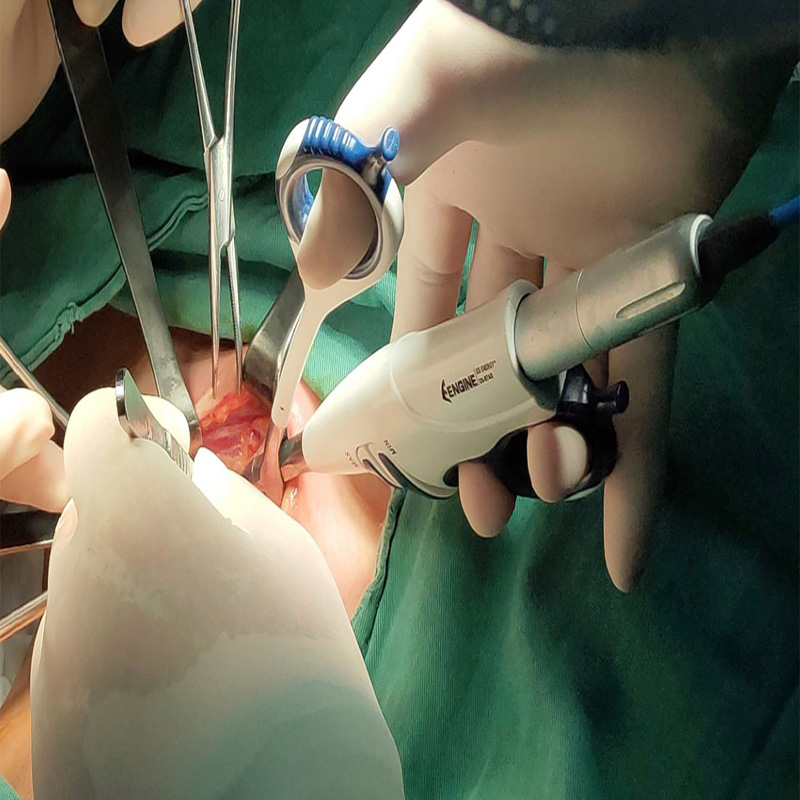
The ultrasonic scalpel operates at 55,000–60,000 Hz, using mechanical energy to cut and coagulate tissue. It seals blood vessels up to 2–3 mm in diameter and is ideal for Precision operations like thyroid and breast surgeries. However, its efficacy hinges on the surgeon's grip strength:
Light grip: Better hemostasis but slower cutting. Suitable for tissues rich in blood vessels (e.g., liver).
Firm grip: Faster cutting but reduced hemostasis. Ideal for fibrous or dense tissues where rapid dissection is prioritized.
Key applications: Provides excellent tissue dissection with minimal thermal spread. Particularly valuable in delicate surgeries where precision is critical.
Vessel Sealing System: Efficient Vessel Sealing and Rapid Cutting
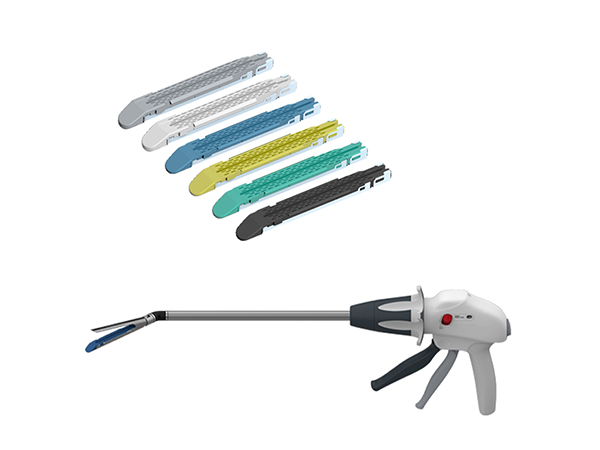
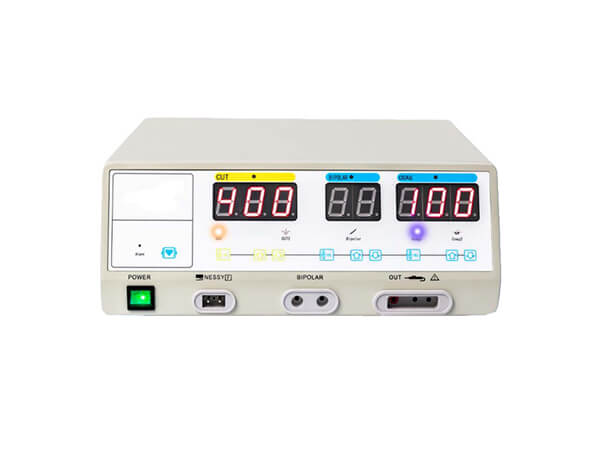
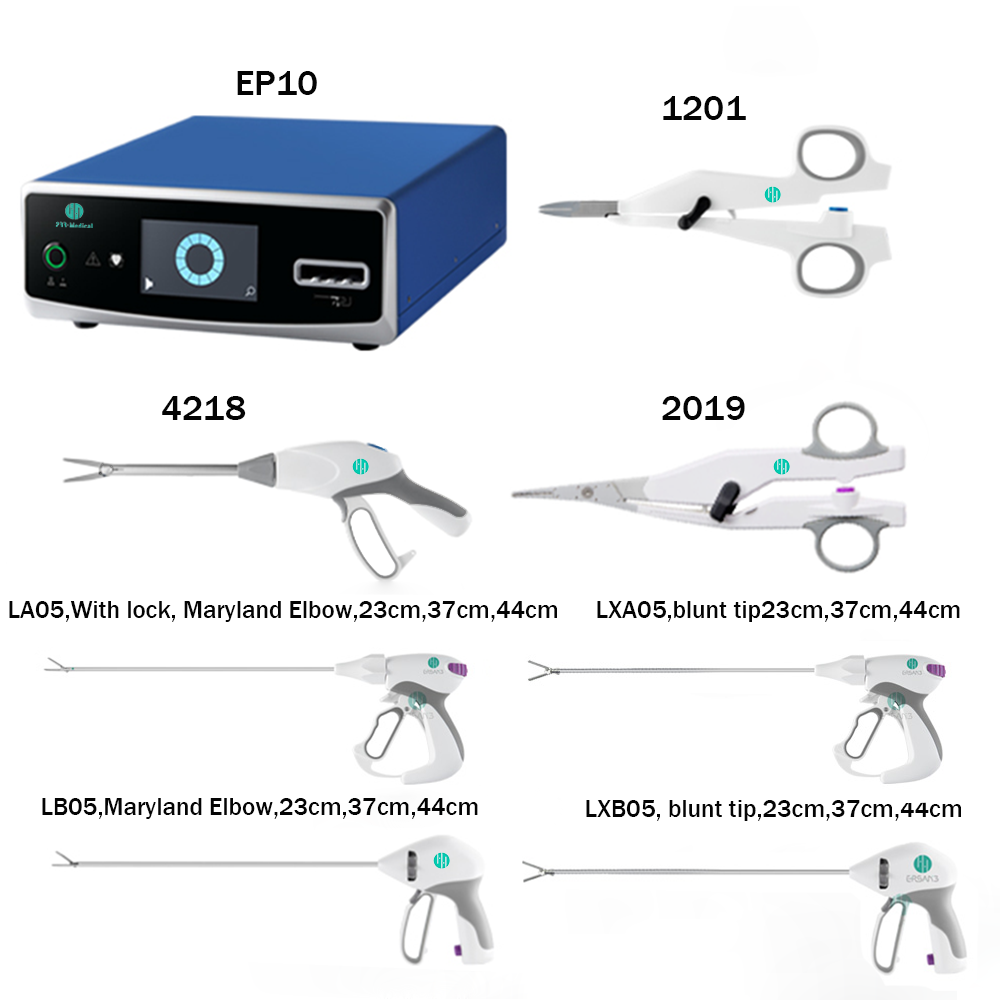
Vessel Sealing System uses bipolar radiofrequency energy (260–350 kHz) to instantly denature proteins in tissue, enabling vessel sealing up to 7 mm in diameter. It offers several advantages:
Superior sealing ability: Reduces intraoperative bleeding significantly.
Fast cutting speed: Shortens surgical time.
Excellent visibility: Minimal smoke and vapor during use.
Low thermal damage: Precise energy control protects surrounding tissues.
Key applications: Shines in surgeries requiring rapid hemostasis and tissue dissection, such as liver resections and complex vascular procedures.
When to Choose Which Instrument
Ultrasonic Scalpel
Precision dissection: Use in nerve-intensive areas (e.g., spinal or neurological surgeries).
Delicate tissue handling: Superior in surgeries where tissue integrity is critical.
Vessel Sealing System
Major vessel sealing: Preferred for large vessels in liver or vascular surgeries.
Rapid hemostasis: Cuts and seals simultaneously, reducing bleeding risk.
Efficient tissue dissection: Excels in procedures requiring speed and reliability.
Complementary Roles in Surgical Practice
The ultrasonic scalpel and Vessel Sealing System are not competitors but complementary tools. Their combined use can enhance surgical efficiency:
Ultrasonic scalpel: Leads in delicate tissue dissection.
Vessel Sealing System: Follows for rapid vessel sealing and hemostasis.
Conclusion
The choice between the ultrasonic scalpel and Vessel Sealing System depends on surgical objectives, tissue characteristics, and hemostatic requirements. Surgeons should master both instruments to leverage their unique strengths, ensuring the best possible outcomes for patients.